Best Time to Visit the Himalayas for Trekking: Choosing the Right Season
Table of Contents
The Himalayas transform with every season. A trail that is covered in deep snow during winter may become a vibrant meadow in summer and a golden landscape in autumn. Because of this, there is no single “best” time to trek in the Himalayas. The right season depends on the kind of experience you’re looking for.
Some trekkers dream of walking through fresh snow, while others want to camp beside alpine meadows or witness thousands of wildflowers in bloom. Understanding how the mountains change throughout the year helps you choose a trek that matches both your interests and your experience level.
Summer (April to June)
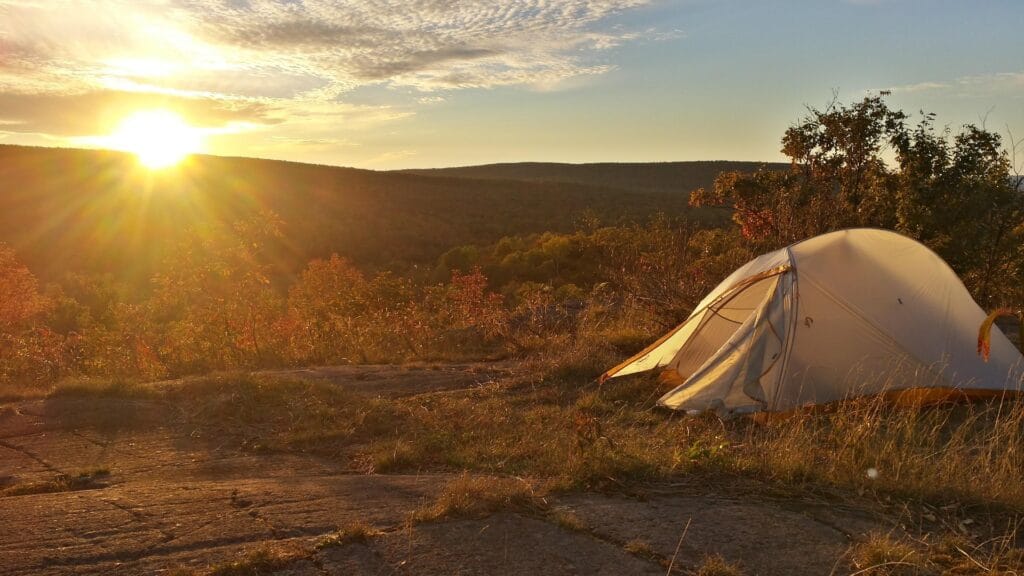
Summer is one of the most popular trekking seasons in the Himalayas. As the snow begins to melt, mountain trails reopen, forests turn green, and high-altitude meadows come alive. The weather is generally pleasant during the day, making this an excellent season for both beginners and experienced trekkers.
Many classic Himalayan routes become accessible during these months, offering long days, stable weather, and spectacular mountain views.
Recommended Treks
- Gaumukh Tapovan Trek
- Kuari Pass Trek
- Ali Bedni Bugyal Trek
- Pangarchulla Peak Trek
- Ranthan Kharak Trek
- Roopkund Trek (subject to operating conditions)
Monsoon (July to September)
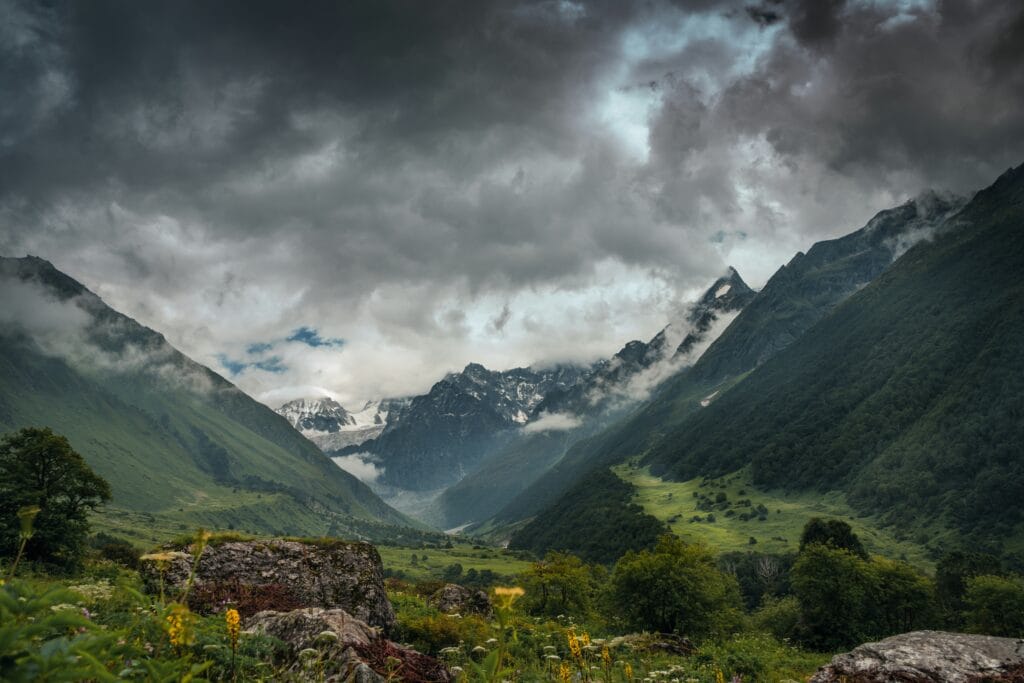
While many people avoid traveling during the monsoon, this season offers one of the most unique trekking experiences in the Indian Himalayas. The rains transform the landscape, filling valleys with greenery, waterfalls, and blooming alpine flowers.
The Valley of Flowers is at its finest during these months, attracting trekkers from around the world to witness one of India’s most remarkable natural spectacles.
Monsoon trekking requires good rain protection, waterproof footwear, and flexibility, as weather conditions can occasionally affect travel plans.
Recommended Trek
Autumn (September to November)
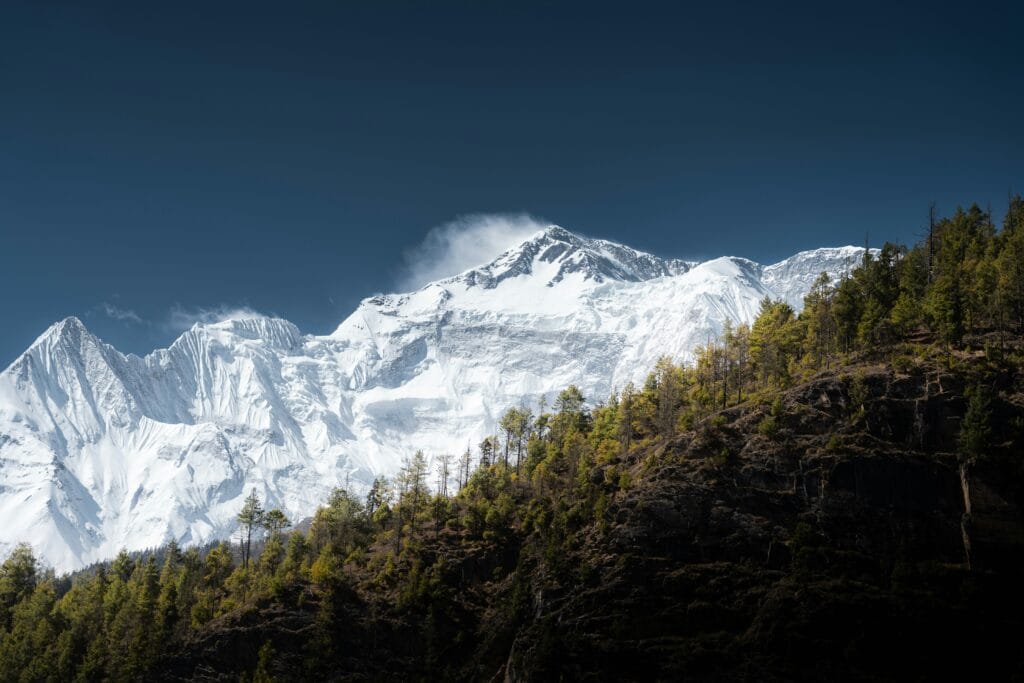
For many experienced trekkers, autumn is considered the finest trekking season in the Himalayas. After the monsoon, the air becomes cleaner, visibility improves dramatically, and mountain ranges appear at their sharpest.
This season is ideal for photographers and anyone hoping to enjoy uninterrupted Himalayan views. Comfortable temperatures and relatively stable weather also make autumn suitable for multi-day treks.
Recommended Treks
Winter (December to March)
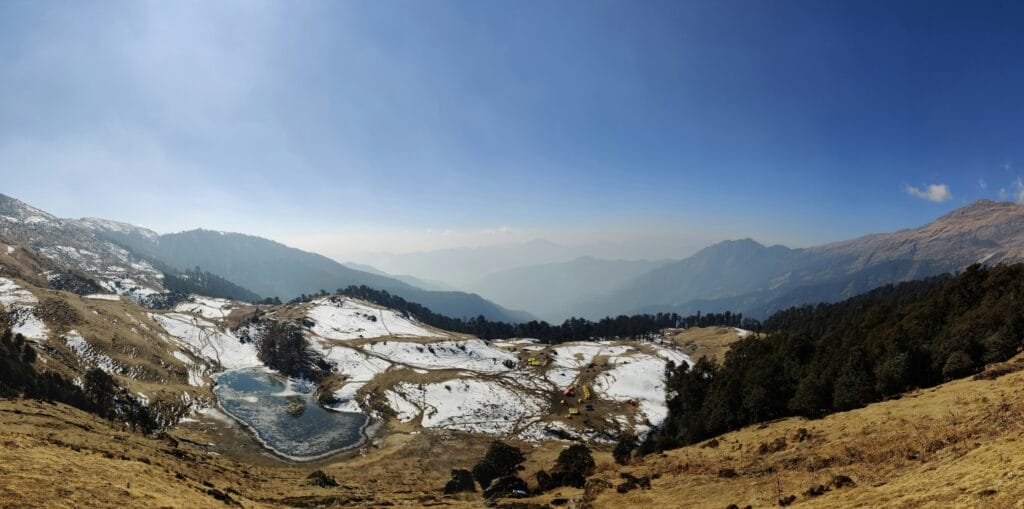
Winter offers an entirely different side of the Himalayas. Forests are blanketed in snow, frozen lakes appear along the trails, and familiar landscapes take on a completely new character.
Winter trekking can be more demanding because of lower temperatures and snow-covered routes, but the rewards are equally memorable. For many trekkers, waking up to fresh snowfall is an unforgettable experience.
Recommended Trek
Which Season Is Right for You?
There is no universal answer because every season offers something different.
- Choose summer if you enjoy pleasant weather, long trekking days, and alpine meadows.
- Choose monsoon if your dream is to experience the Valley of Flowers in full bloom.
- Choose autumn for crystal-clear Himalayan views and excellent photography conditions.
- Choose winter if you want to walk through snow-covered forests and experience the magic of winter trekking.
Rather than asking, “Which season is the best?” ask yourself, “What kind of mountain experience am I looking for?” The answer to that question will usually point you towards the right trek.
Final Thoughts
The Himalayas never remain the same. Every season tells a different story, and every trail offers a new perspective depending on when you visit.
Whether you’re planning your first trek or returning to the mountains once again, choosing the right season can shape the entire experience. Take time to understand what each season offers, prepare accordingly, and let the mountains surprise you in their own way.