
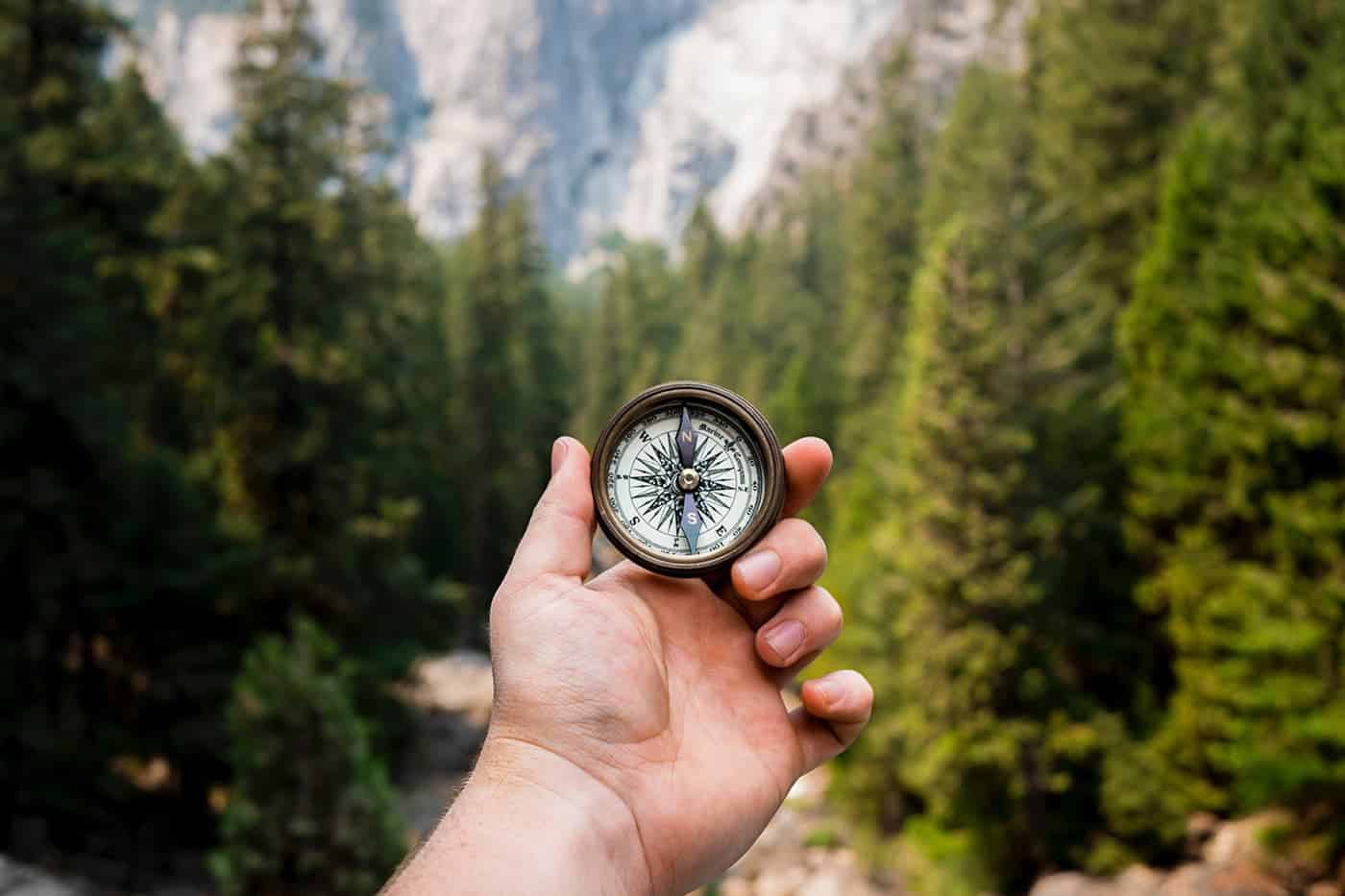
How To Prepare For Your First Himalayan Trek: A Beginner’s Guide
Table of Contents
For many people, a Himalayan trek begins with a photograph. Snow-covered peaks, endless mountain trails, alpine meadows, or a sunrise above the clouds spark the desire to experience the mountains firsthand. But once that first trek is booked, excitement is often followed by questions. Am I fit enough? What should I pack? How difficult will it be? Will I be able to complete the trek?
The good news is that most first-time trekkers don’t need to be expert hikers or elite athletes. What they do need is the right preparation, realistic expectations, and an understanding of what trekking in the Himalayas is actually like.
Unlike a day hike, a Himalayan trek is a multi-day journey through changing terrain, unpredictable weather, and higher altitudes. Some days involve long walks through forests, while others take you across alpine meadows, mountain ridges, or glacier valleys. Every trek is different, but preparing well before you leave home will make the experience safer, more comfortable, and far more enjoyable.
Preparing Before You Leave Home
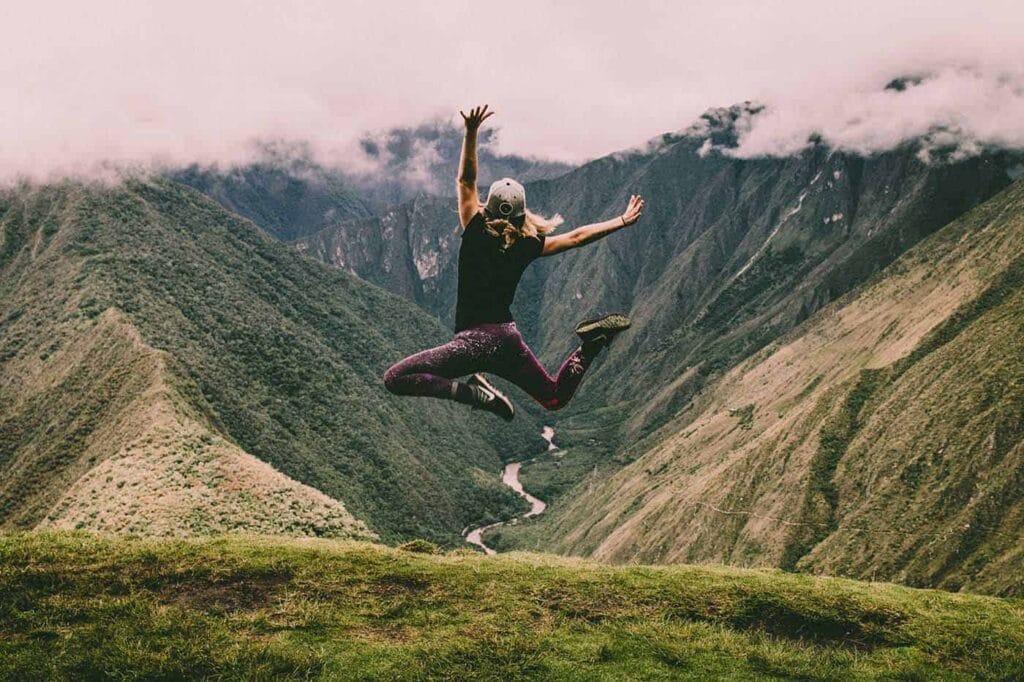
One of the biggest misconceptions about trekking is that it requires months of intense training. While a good level of fitness certainly helps, most beginner-friendly Himalayan treks are completed by people from all walks of life who simply prepare consistently.
Rather than focusing on difficult gym workouts, spend a few weeks improving your endurance. Regular brisk walks, climbing stairs, cycling, jogging, or weekend hikes are often enough to build the stamina needed for several hours of walking each day. The objective isn’t to walk fast—it’s to walk comfortably for longer periods without exhausting yourself.
Equally important is choosing a trek that matches your current fitness level. Many first-time trekkers are tempted to pick the highest or most challenging route because of social media photographs. In reality, starting with a moderate trek often leads to a much better experience. Treks such as Brahmatal, Kuari Pass, Ali Bedni Bugyal, or Valley of Flowers provide spectacular Himalayan scenery while remaining approachable for beginners with reasonable preparation.
Preparing mentally is just as important. The mountains don’t follow a schedule. Weather can change quickly, trails can be steeper than expected, and mobile networks may disappear for days. Accepting these uncertainties before your journey begins helps you enjoy the experience rather than becoming frustrated by it.
Pack Smart, Not Heavy
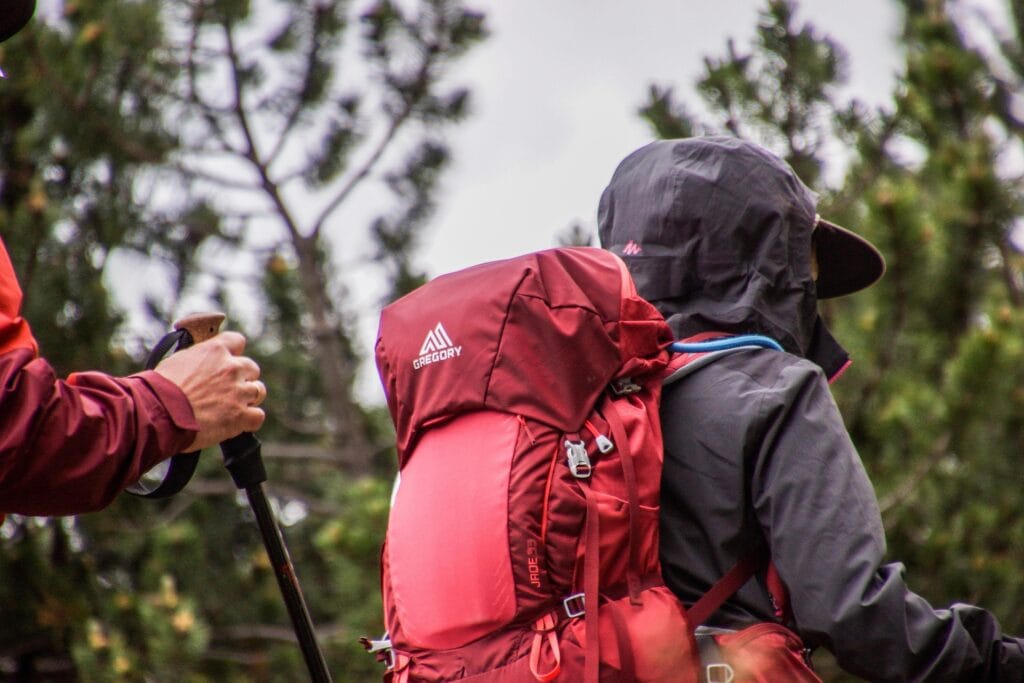
Ask experienced trekkers about the most common mistake beginners make, and many will give the same answer—they carry too much.
Every extra kilogram on your back becomes noticeable after several hours of climbing. Instead of packing for every possible situation, focus on carrying clothing and equipment that will actually be useful on the trail.
Layering your clothing is far more effective than carrying one heavy jacket. A moisture-wicking base layer, an insulating fleece, and a waterproof outer shell allow you to adapt to changing temperatures throughout the day. Comfortable trekking shoes with good grip are another essential. New shoes should always be broken in before the trek rather than worn for the first time on the trail.
A small daypack should comfortably carry your water bottle, rain jacket, snacks, sunglasses, sunscreen, personal medication, and a few essentials. If your trek includes porter or offloading services, pack only what you genuinely need during the day and keep the rest in your duffel bag.
Remember that expensive gear doesn’t automatically make a trek easier. Well-fitted shoes, weather-appropriate clothing, and thoughtful packing are far more valuable than buying the latest equipment.
Understanding Altitude and Mountain Conditions
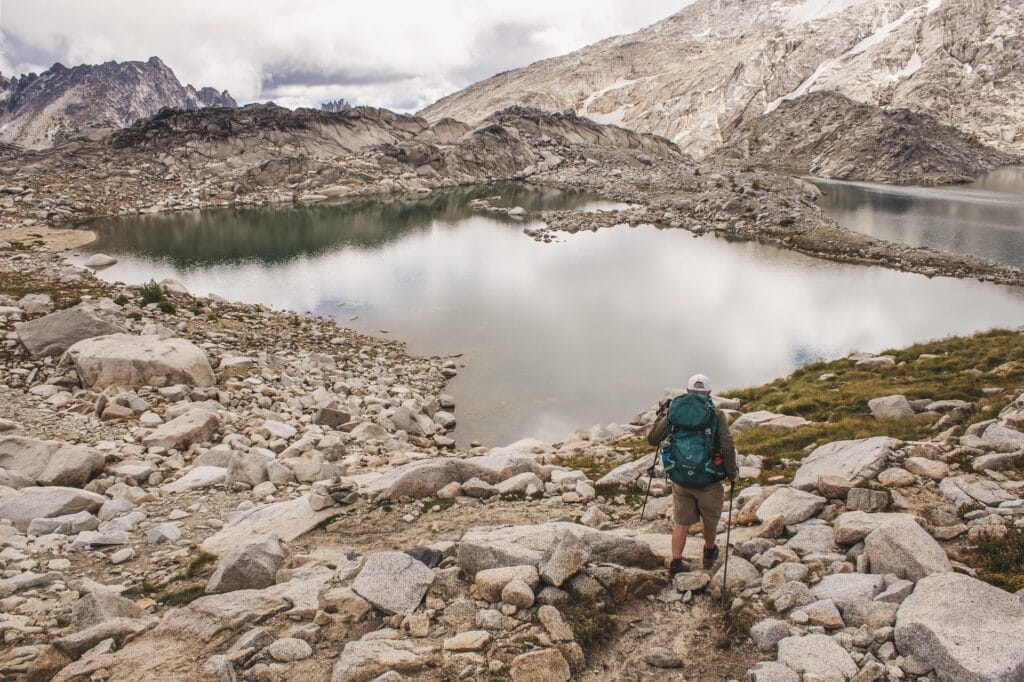
One of the biggest differences between trekking in the Himalayas and walking at lower elevations is altitude. As you climb higher, the air becomes thinner and your body requires time to adjust. This process, known as acclimatization, is completely natural and affects everyone differently, regardless of age or fitness.
The best way to help your body adapt is surprisingly simple. Walk at a steady pace, drink enough water throughout the day, eat regular meals, and avoid rushing to the campsite. Many first-time trekkers feel pressured to keep up with the fastest person in the group, but trekking isn’t a race. A consistent pace is almost always the most efficient way to complete a day’s walk.
Mountain weather also changes quickly. A bright morning can turn into rain by afternoon, while temperatures often drop significantly after sunset. Carrying rain protection and an extra warm layer ensures you’re prepared without needing to overpack.
Common Mistakes First-Time Trekkers Should Avoid
Most trekking challenges don’t happen because people are unfit. They happen because of small mistakes that are easy to avoid with a little awareness.
One of the most common mistakes is walking too fast during the first few hours. It’s natural to feel energetic at the beginning of the trek, but conserving energy early allows you to stay comfortable throughout the day.
Another mistake is not drinking enough water. At higher altitudes, dehydration can happen more quickly than people realize, even in cool weather. Regular hydration plays an important role in maintaining energy levels and supporting acclimatization.
Many beginners also focus so much on reaching the destination that they forget to enjoy the journey itself. Some of the most memorable moments rarely happen at the summit. They happen while watching the sunrise from camp, crossing a quiet forest trail, sharing stories over dinner, or simply pausing to admire the surrounding mountains.
Remember: Trekking is not about reaching the destination first. A steady pace, proper hydration, and enjoying the journey will always make for a better mountain experience.
Your First Trek Is Only the Beginning
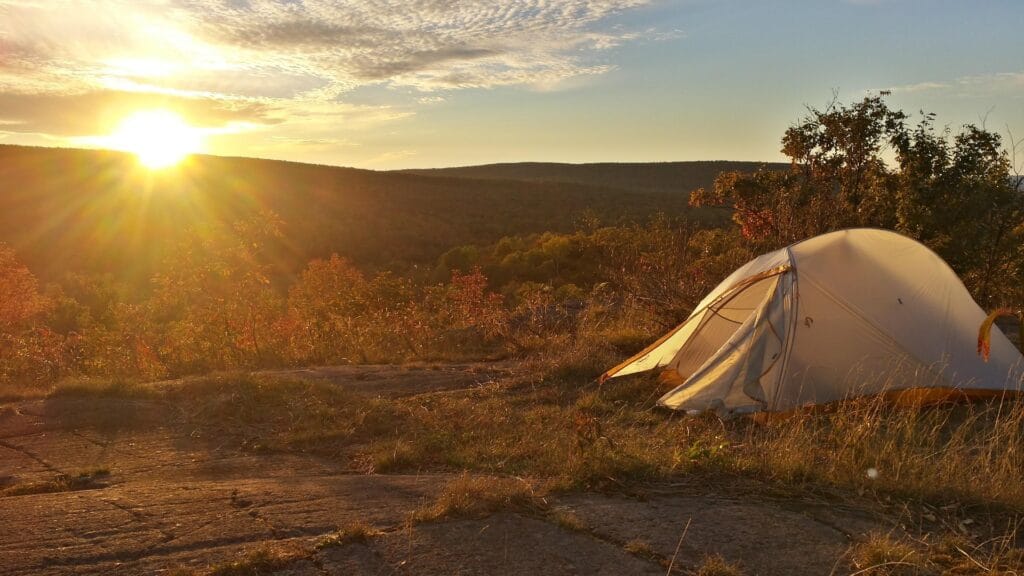
A Himalayan trek is about far more than covering kilometers or reaching a summit. It is an opportunity to slow down, disconnect from everyday routines, and experience the mountains at their own pace.
Prepare well, carry only what you need, listen to your trek leaders, and allow yourself to enjoy the journey without rushing it. Every experienced trekker was once a beginner, and every unforgettable mountain journey started with a first step.
If you’re planning your first Himalayan adventure, choose a trek that matches your experience, prepare with confidence, and let the mountains introduce themselves in their own time.